
2026-05-26 • BY D.T. Risenburg
Teaching Kids Heroism: Doing the Right Thing When No One is Watching
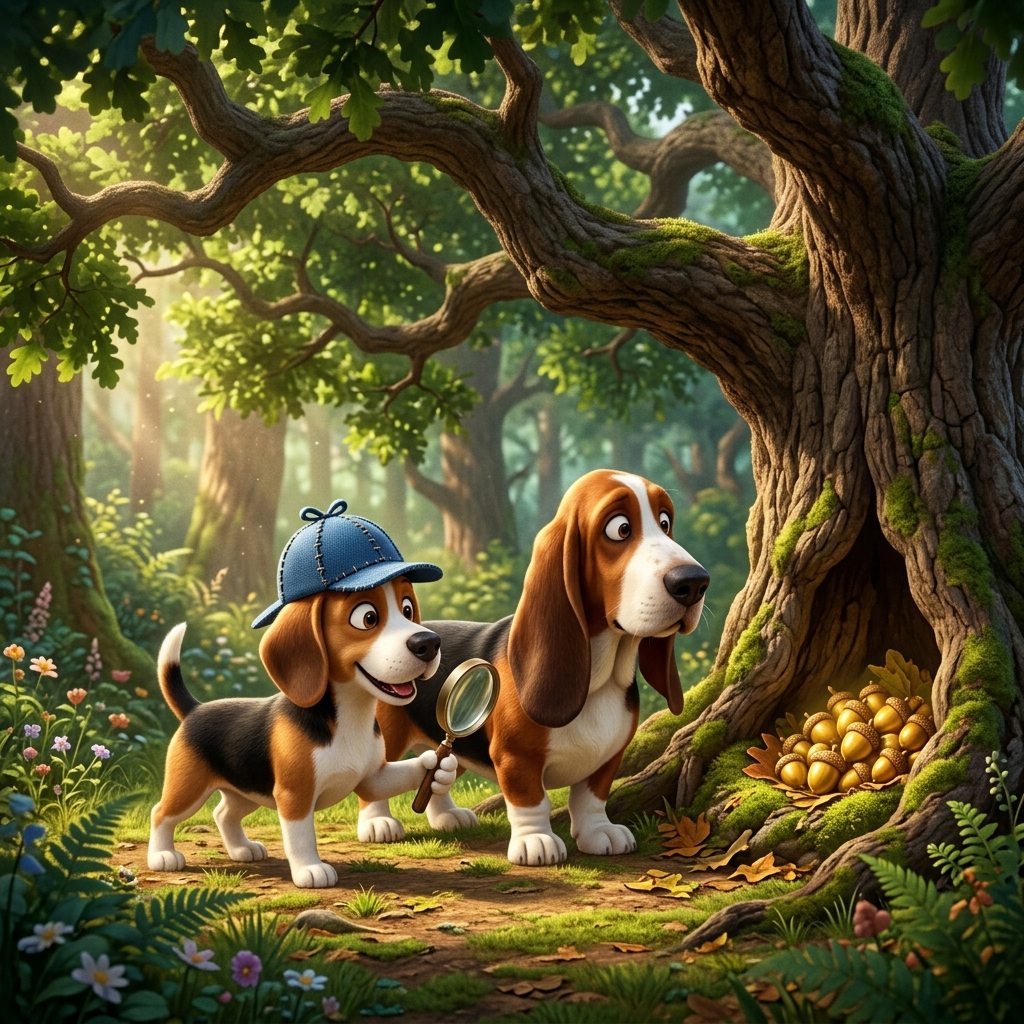
In a world full of cameras, likes, and instant sharing, it is easy for kids to get the wrong idea about what makes someone a hero. They see videos of people performing grand gestures for the camera, or they read about superheroes with capes and lasers who get cheered on by massive crowds. It can feel like doing something good only counts if there is an audience to applaud it.
But real-world heroism is usually much quieter. It is about integrity—the choice to do the right thing even when absolutely nobody is watching. That is a hard concept to explain to a child, but it is one of the most important lessons we can ever teach them.
Quiet Courage in Oak Bark Park
In our book, The Great Acorn Heist, the forest animals face a real crisis. The winter harvest—the food stash that every squirrel, chipmunk, and bird needs to survive the freezing months—has been stolen. The thief is Ratticus, a greedy rat tyrant who uses fear and his band of followers to control the park.
Dukey the Beagle and Dudley the Basset Hound don't have super powers. They aren't bigger than the problems they face, and they don't have a crowd cheering them on. In fact, most of the animals are terrified of Ratticus and have gone into hiding. But Dukey and Dudley decide to step up anyway.
They don't do it for fame. They don't do it to get a medal or to prove they are the toughest dogs in the neighborhood. They do it simply because they see their friends and neighbors facing a long, hungry winter, and they know they have the skills to help. For Dukey and Dudley, helping is not about getting a reward. It is just the natural choice when someone you know is in trouble.
Helping Without Expecting a Reward
How do we help kids understand this? We can start by highlighting the small, quiet choices they make every day.
- Picking up a piece of trash on the playground when the teacher isn't looking.
- Inviting a classmate who is sitting alone to play, even if their other friends don't notice.
- Holding the door for someone who has their hands full, even if they forget to say thank you.
- Telling the truth about a mistake, even when it would be easier to let it go unnoticed.
When we read stories like The Great Acorn Heist with our children, we can pause and ask them questions that get them thinking. "Why do you think Dukey and Dudley decided to go after the stolen acorns? Did they think they would get a prize, or did they just want to help?"
These conversations help children move away from the idea that good deeds are a transaction. They start to realize that the reward for doing the right thing is the feeling of knowing you made the world a little bit better, safer, or kinder for someone else.
Modeling Integrity at Home
Children are natural observers. They notice when we return a misplaced item to a store clerk, or when we take the time to help a neighbor clear their driveway after a snowstorm. When they see us acting with integrity without expecting anything in return, they learn that helper behavior is just a normal part of being in a community (which is the core pledge of our Woodland Guardianship).
By celebrating these small moments of quiet heroism in our daily lives and in the books we read, we help kids build a strong internal compass. They learn that they don't need a cape, a crowd, or a camera to make a difference. Like Dukey and Dudley, they just need to look around, see where they can help, and take action.
Want to see Dukey & Dudley in action?
Grab your copy of The Great Acorn Heist and join the adventure today.
Get the Book