
2026-07-12 • BY D.T. Risenburg
Woodland Tracks and Trails: How to Identify Animal Footprints in Your Backyard
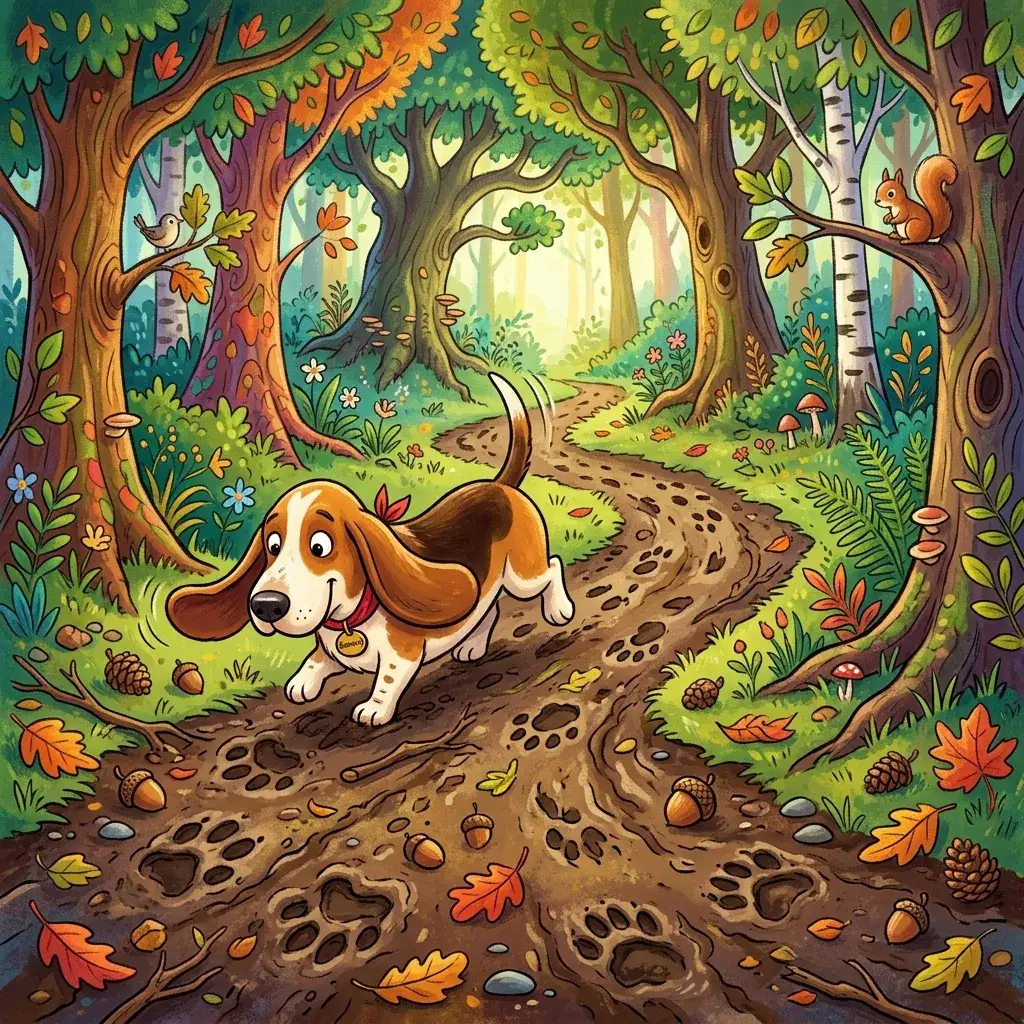
Backyard tracking is one of the oldest human skills, merging biology, environmental science, and spatial logic. For parents and educators, teaching children to recognize and analyze animal tracks is an exceptional way to nurture observational acuity, patience, and a deep appreciation for local ecosystems.
The Science of Animal Tracking
Tracking is more than identifying isolated footprints; it is the study of animal locomotion and behavior. By looking at the spacing and patterns of tracks, trackers can determine not only the species but also its speed, direction, and intent:
- Walkers and Trotters: Animals like dogs and deer move opposite limbs in synchrony, leaving straight, alternating tracks.
- Bounders: Animals like weasels leap, landing front feet first and bringing their hind feet up to meet or exceed the front tracks.
- Hoppers: Squirrels and rabbits push off with their large hind feet, which swing forward and land in front of their smaller front paws, creating clusters.
Educational Benefits of Backyard Nature Walks
Nature walk activities centered around tracking provide profound developmental benefits for young children:
- Sensory Integration: Searching for tracks in mud, sand, or snow forces children to focus their vision and coordinate their body movements in diverse terrains, building muscle strength and balance.
- Scientific Methodology: Finding a track is the first step in formulating a hypothesis. Children must ask: "Who made this print? Where were they going? What does the shape tell us?" and seek surrounding clues to prove it.
- Environmental Empathy: Realizing that wild animals live, feed, and navigate in the spaces we share builds a child's sense of stewardship and appreciation for the natural world.
How to Get Started in Your Backyard
You don't need to visit a national park to start tracking. Here is a simple, three-step routine to build tracking into your weekly family schedule:
- Create a "Mud Box" or Sand Pit: Wet down a patch of soil or sand in your yard. Leave a piece of fruit or vegetable nearby overnight, and examine the tracks left by morning visitors (birds, squirrels, raccoons).
- Make plaster casts: If you find a clear track in the mud, mix a small amount of Plaster of Paris and pour it inside. Let it set for 30 minutes, then peel it back for a permanent, 3D model.
- Track cataloging: Have your child sketch the tracks they find in a "Field Notebook," noting the date, location, weather, and their best guess of the animal.
Want to see Dukey & Dudley in action?
Grab your copy of The Great Acorn Heist and join the adventure today.
Get the Book