
2026-10-10 • BY D.T. Risenburg
Frosty Paws and Feathered Coats: The Incredible STEM Science of How Forest Animals Survive Winter Freezes
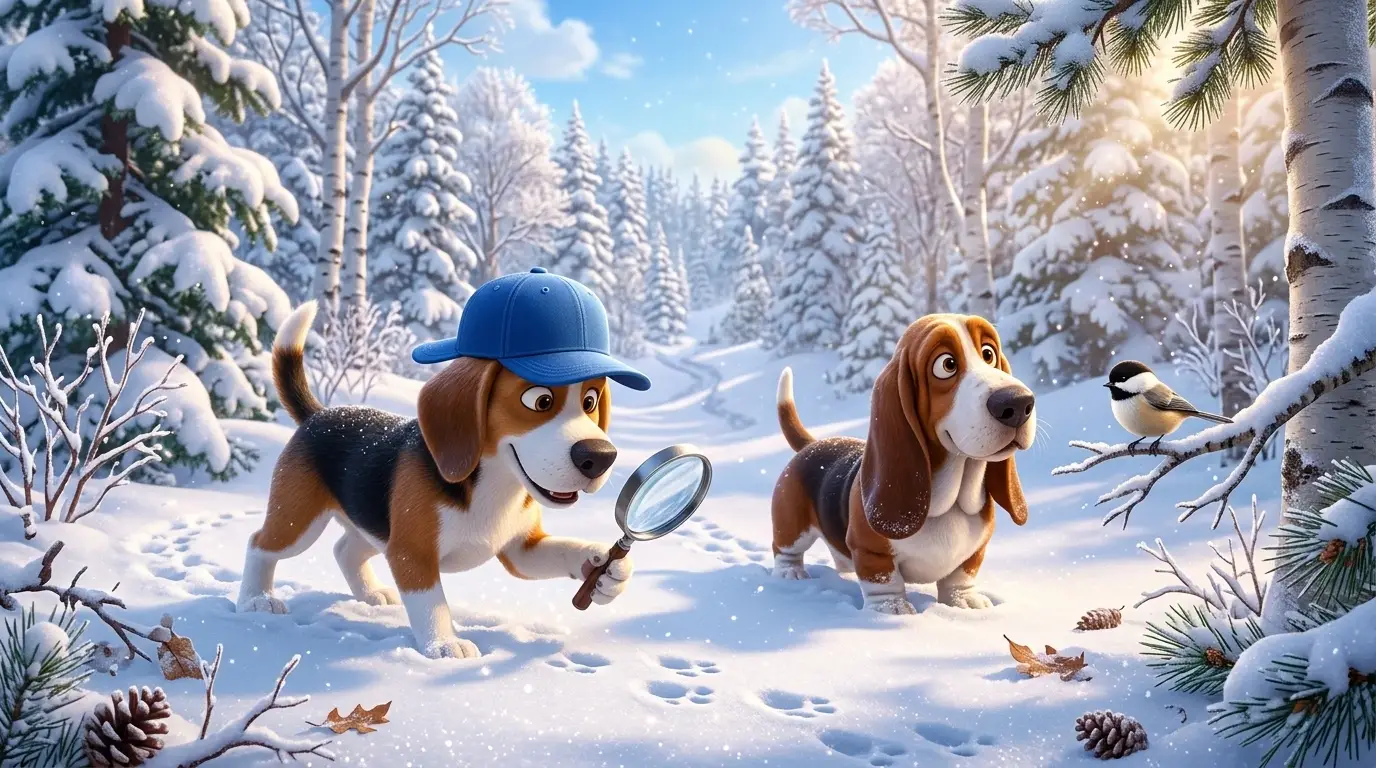

Dukey's Winter Animal Superpower Lab! ❄️
Ever wonder why birds don't freeze on snowy telephone wires or how Cooper walks happily through deep snowdrifts? Discover animals' amazing winter superpowers!
🐾 3 Amazing Animal Winter Superpowers:
- 1. The Puffy Down Jacket: When you see a cute chickadee look like a round little fluffball, it's trapping a layer of warm air between its feathers to stay toasty!
- 2. Magic Warm Paws: Dogs like Cooper have special blood circulation in their paws that warms cold blood before it reaches their body. It's like having built-in heated snowshoes!
- 3. Super Memory Brains: Squirrels and nuthatches remember thousands of buried acorn spots in the snow. Their brains actually grow bigger in autumn just to remember where they hid dinner!
Want to Help Forest Birds This Winter? 🦜
Check out Pip's Autumn Seed & Berry Foraging Bells recipe to make wholesome hanging treats for backyard songbirds!
Explore Animal Recipes! 🌰When autumn's golden leaves finish falling and the first icy blasts of winter transform neighborhood parks into frozen landscapes, humans retreat indoors to cozy thermostats, wool blankets, and steaming mugs of cocoa. But what about the wildlife inhabiting our backyards and local woodlands? How do tiny birds weighing less than a quarter, burrowing raccoons, and thick-coated dogs endure temperatures plunging well below freezing without heaters or down jackets?
In Dukey & Dudley: And the Great Acorn Heist, the entire plot hinges on the forest animals frantically collecting and safeguarding their winter acorn stores before the deep freeze locks the earth solid. The real-world STEM adaptations that wild and domestic animals deploy to conquer freezing temperatures represent some of nature's most dazzling evolutionary engineering. Here is a fascinating look into the cold-weather biology that keeps our animal friends thriving in snow.

The Double Coat & Warm Paw Circulatory Magic
Cooper the Great Pyrenees possesses a miraculous cold-weather biological suit! His double coat features dense, woolly underfur that traps warm body air like fiberglass home insulation, capped by long, oil-coated guard hairs that repel sleet and snow. Even more amazing? Dogs use counter-current heat exchange in their paw pads: warm arterial blood flowing down from the heart transfers heat to cold venous blood returning from the snow, keeping paw tissue healthy without chilling their core!
1. Torpor, Hibernation, and Brain Superpowers
Surviving winter isn't just about insulation—it's a high-stakes energy management puzzle. Animals employ staggering physiological shifts to minimize caloric expenditure:
- Chickadee Brain Expansion: Tiny black-capped chickadees cache up to 100,000 seeds across thousands of forest spots each autumn. Every fall, their hippocampus (the brain's spatial memory center) actually expands by 30% to remember every hidden seed location! At night, they enter controlled hypothermia (torpor), lowering their body temperature by 12°C to conserve precious fat.
- True Hibernation vs. Winter Sleep: While woodchucks and ground squirrels enter profound hibernation with heart rates dropping from 300 to under 5 beats per minute, raccoons and black bears enter lighter winter torpor, waking during mild spells to forage.
- Subnivean Zone Highway: Beneath deep snow banks lies the subnivean zone—a micro-environment where ground warmth is trapped beneath the snow pack. Small rodents, mice, and weasels navigate vast tunnels in total comfort while icy blizzards rage above.
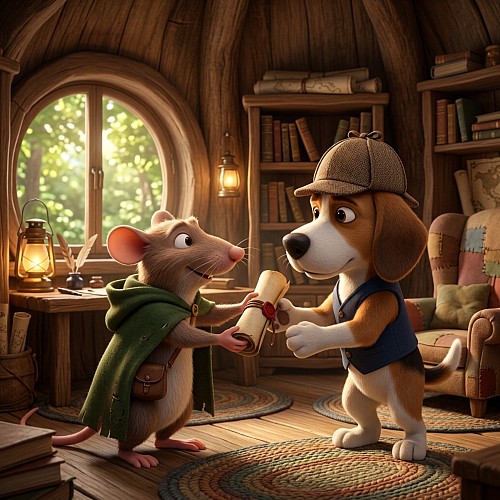
Scatter-Hoarding and Tree Hollow Dens
Grey and red squirrels build cozy winter leafy nests called dreys high in fork branches, lined with insulating shredded moss, feathers, and dry pine needles. By scatter-hoarding high-fat oak acorns and hickory nuts, they ensure that even if one thief (like Ratticus the Rat!) finds a stash, dozens of other secure reserves remain scattered across their territory.
2. Backyard Guardian Actions: Supporting Winter Wildlife
Families can turn cold winter weekends into practical, compassionate STEM field investigations that support neighborhood songbirds and domestic pets:
❄️ Winter Wildlife Guardian Checklist:
- High-Fat Bird Fuel: Hang high-energy seed bells and suet cakes (like Pip's Autumn Seed & Berry Foraging Bells). In sub-zero weather, wild songbirds need dense calories to generate shivering thermogenesis throughout the long night.
- Clean Fresh Water: Fresh, unfrozen water is often harder for birds to find than food. A heated birdbath or placing a fresh dish of warm water out every morning saves birds vital energy they would otherwise waste melting snow.
- Pet Winter Paw Care: Rock salt and chemical chemical ice-melters burn sensitive canine paw pads. Always rinse your dog's paws in warm water or apply natural pet balm after neighborhood winter walks.
Reading Fresh Snow Like a Mystery Novel
Freshly fallen snow is nature's greatest crime scene notepad! Dukey loves tracing rabbit bounding tracks, squirrel landing prints, and bird wing swoops etched cleanly in the powder. Grab a ruler and magnifying glass to decode the hidden nocturnal wildlife stories happening in your own backyard!
Explore More Woodland Adventures!
Join Dukey & Dudley on their quest, test your skills in the games room, or print mystery activity packs!