
2026-07-04 • BY D.T. Risenburg
Why Homemade Treats Are Better for Your Pet
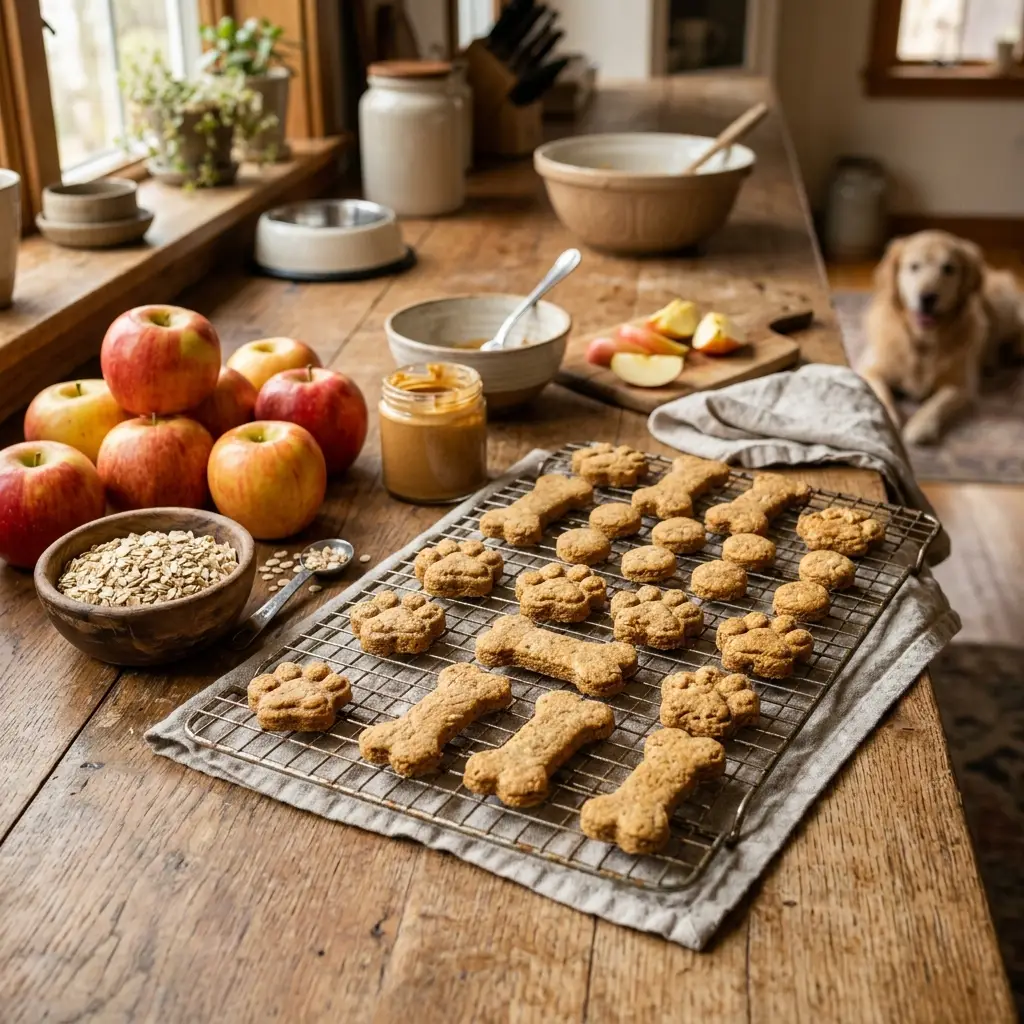
Walking down the pet aisle at any grocery store can be a daunting experience. There are hundreds of brightly colored bags, boxes, and pouches, all promising to be the "absolute best" and "most nutritious" choice for your dog or cat. But if you take a closer look at the ingredients list printed on the back, you might find a paragraph of unpronounceable chemical names, artificial colors, and vague meat by-products.
We expect the best for our human family members, so why should our four-legged companions be any different? Baking homemade treats for your pets is surprisingly simple, requires no special equipment, and the benefits far outweigh the convenience of tossing a store-bought bag into your shopping cart. Whether you have a food-motivated Basset Hound or a picky feline, here is why you should consider making the switch to homemade treats.
1. Complete Control Over Every Single Ingredient
Say goodbye to mystery meat, chemical fillers, and toxic artificial dyes.
When you bake treats at home, you are the head chef. You know exactly what goes into every single bite. Commercial treats often rely on heavy chemical preservatives (like BHA, BHT, and ethoxyquin) to ensure they can sit on a shelf for months or even years without spoiling. Furthermore, many commercial pet food brands use synthetic food dyes—Red 40, Yellow 5, Blue 2—to make the food look appealing to *you*, the human buyer. Your dog is colorblind to these bright reds and greens; they don't care what color the biscuit is!
If your pet suffers from food sensitivities, chronic allergies, or an irritable bowel, homemade treats are an absolute game-changer. Is your dog allergic to chicken? Use salmon or turkey. Does wheat give them itchy skin? Swap it out for oat flour or coconut flour. You can tailor every recipe to your pet's specific dietary needs.
2. Significantly Better Nutritional Value and Density
Retain the organic vitamins that commercial high-heat processing destroys.
Many commercial kibbles and treats are manufactured using a process called extrusion. This involves pushing the ingredients through a machine at extremely high temperatures and pressures. While this is great for mass production and creating a uniform biscuit shape, the intense heat destroys a significant portion of the natural vitamins, minerals, and amino acids found in the raw ingredients.
By baking at home at lower, controlled temperatures, you preserve the nutritional integrity of the food. You can easily incorporate fresh, whole superfoods into your dough. Grated carrots provide beta-carotene for eye health; pureed pumpkin aids in digestion; fresh blueberries offer a powerful antioxidant boost; and a drizzle of salmon oil provides essential Omega-3 fatty acids for a shiny coat.
3. Cost-Effective in the Long Run
Stop paying premium markup prices for corporate marketing and glossy packaging.
If you've ever bought a bag of "premium, all-natural, limited-ingredient, grain-free" treats at a boutique pet store, you know they can be shockingly expensive—sometimes upwards of $15 for a tiny 6-ounce bag! You are paying for the marketing, the glossy resealable pouch, and the shipping costs.
Baking at home cuts out the middleman entirely. A large bag of oat flour, a jar of natural (xylitol-free) peanut butter, and a couple of fresh sweet potatoes will cost you just a few dollars, but will yield hundreds of treats. You can bake a massive batch on a Sunday afternoon, store a week's worth in an airtight container on the counter, and freeze the rest for later. Over the course of a year, the savings can be substantial.
4. Complete Peace of Mind Regarding Recalls
Protect your beloved pet from commercial manufacturing contamination.
Unfortunately, pet food recalls are a common occurrence. From salmonella contamination to dangerous levels of Vitamin D, or traces of euthanasia drugs found in rendering vats, trusting large-scale commercial manufacturing can sometimes be a gamble. When you buy human-grade ingredients from your local grocery store and prepare them in your own clean kitchen, you completely eliminate the risk of these terrifying commercial recalls. You know your kitchen's hygiene standards, and you know exactly where your ingredients were sourced.
5. The Ultimate Act of Love and Bonding
They can smell the difference and know they are getting the best.
Dogs and cats experience the world primarily through their noses. They absolutely know the difference between a stale, dry biscuit pulled from a cardboard box that's been sitting in a warehouse for six months, versus a fresh, warm treat that smells like real roasted meat, baked sweet potato, or peanut butter.
The act of cooking for your pet is a deeply bonding experience. When you're in the kitchen chopping carrots or rolling out peanut butter dough, they will undoubtedly be sitting right at your feet, watching your every move. Taking the time to prepare something special just for them strengthens the emotional bond you share. It transforms a simple reward into a meaningful gesture of care.
How to Transition Safely to Homemade Treats
When switching your pet's treats to homemade options, it is important to introduce them slowly. Even the healthiest human ingredients can cause mild digestive upset if introduced too quickly to a sensitive stomach. Start by giving your pet a half-sized treat and monitor them for any changes.
- Ensure safety: Never use ingredients that are toxic to dogs or cats (e.g., onions, garlic, chocolate, grapes, raisins, macadamia nuts, or sweeteners like xylitol).
- Store correctly: Since homemade treats have no artificial preservatives, store them in an airtight container in the refrigerator for up to a week, or in the freezer for up to three months.
- Keep portions small: Treats should make up no more than 10% of your pet's daily caloric intake. Keep them small and utilize them primarily for training rewards.
Frequently Asked Questions
Are homemade treats better for dogs with allergies?
Yes! By baking dog treats at home, you have complete control over the ingredients, making it easy to substitute common allergens like wheat, chicken, or dairy with safe alternatives like oat flour, sweet potato, and turkey.
How long do homemade dog treats last?
Because homemade treats do not contain chemical preservatives, they generally last about 5 to 7 days in an airtight container at room temperature, 2 weeks in the refrigerator, and up to 3 months when frozen.
Can cats eat homemade dog treats?
It depends on the ingredients. While many ingredients like pumpkin, chicken, and salmon are safe for both, cats have different nutritional requirements (such as needing taurine) and are obligate carnivores, so it is best to prepare specific cat treat recipes.
Want to see Dukey & Dudley in action?
Grab your copy of The Great Acorn Heist and join the adventure today.
Get the Book