
2026-08-10 • BY D.T. Risenburg
Wholesome Forest Feasts: Safe & Healthy Foods for Backyard Wildlife
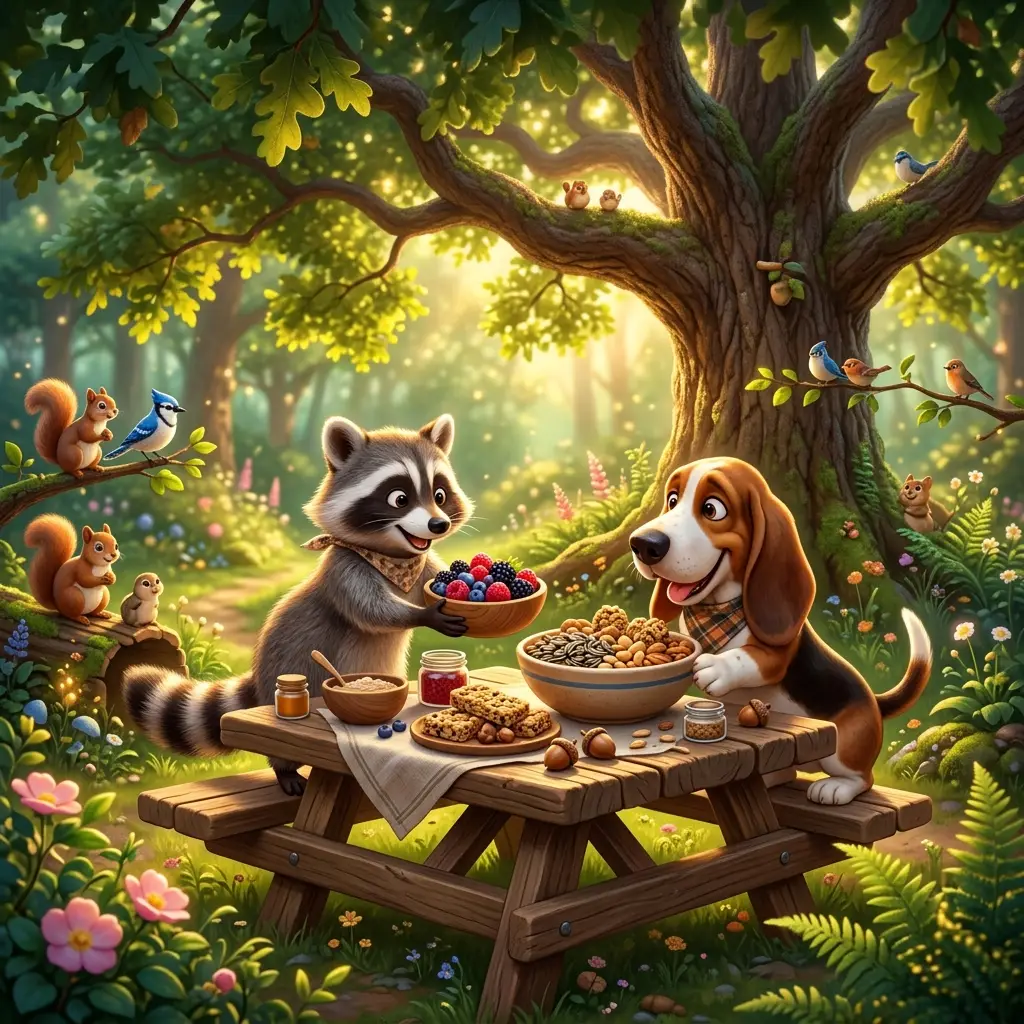
Watching red squirrels scamper across back porch railings, blue jays flutter to high tree branches, and nocturnal raccoons forage along woodland edges brings the wonder of nature directly into our suburban backyards and neighborhood parks. Feeding local wildlife can be an extraordinarily enriching activity for young children, fostering environmental empathy, species identification skills, biological curiosity, and a lifelong respect for the natural world.
In Dukey & Dudley: And the Great Acorn Heist, Brin the Raccoon and the Woodland Defenders work tirelessly to preserve healthy oak nuts, wild berries, and native seeds for the upcoming harsh winter. However, well-meaning humans often feed wild animals processed human junk food that can cause severe gastrointestinal distress, chronic malnutrition, or metabolic bone disease. Here is a comprehensive guide for parents and educators on how to feed backyard wildlife responsibly, safely, and ethically.
The Nutritional Science of Wild Animal Diets
Wild animals have evolved over thousands of years on specific diets tailored to their biological niches and digestive systems. Squirrels and chipmunks require high-fat seeds and calcium-rich tree nuts to maintain bone density and store crucial calories for winter torpor. Songbirds rely on protein-dense seeds and native berries to fuel high metabolic rates and maintain healthy feather growth during annual molts.
When humans feed wild animals processed carbohydrates such as white bread, salty crackers, or sugary breakfast cereal, these foods fill the animals' stomachs without providing essential vitamins, minerals, or proteins. Wildlife rehabilitators refer to this condition as "malnutrition on a full stomach," which can lead to weakened immune systems, organ stress, and flight feather deformities in growing birds.
🥗 Safe & Nutritious Foods for Backyard Wildlife:
- Raw Nuts in Shells: Acorns, walnuts, pecans, and hazelnuts (always unsalted and unroasted). Gnawing through hard shells also helps rodents trim down their continuously growing front incisor teeth!
- Black Oil Sunflower Seeds: The gold standard for backyard birds, chipmunks, and squirrels. Thin shells make them easy to open, and high oil content provides vital winter calories.
- Fresh Raw Fruits: Apple slices (seedless), fresh blueberries, chopped pears, and seedless grapes. Fruits offer natural antioxidants and hydration.
- Chopped Root Vegetables: Raw sweet potato cubes, squash seeds, and chopped carrots provide healthy fiber and essential beta-carotene.
- Fresh Water Stations: A shallow dish of clean, fresh water changed daily is often far more helpful to urban wildlife than food!
Foods to ABSOLUTELY Avoid
Human processed snacks often contain chemical additives, hydrogenated oils, refined sugars, and excessive sodium levels that wild animal digestive tracts cannot process. Ingestion of these foods can trigger severe gastrointestinal bloat, kidney toxicity, and behavioral dependency.
⚠️ Harmful & Toxic Foods for Wild Animals:
- White Bread, Processed Pastries & Crackers: Lack nutrition and expand in stomach moisture, causing severe digestion blockages and nutrient deficiencies.
- Salted & Seasoned Snacks: Potato chips, salted peanuts, and pretzels cause rapid dehydration, electrolyte imbalances, and kidney distress in small mammals.
- Chocolate, Coffee & Candy: Contain theobromine and caffeine, which are highly toxic to wild mammals and songbirds.
- Raw Dried Beans: Contain natural hemagglutinin toxins that are harmful to wild birds and chipmunks unless thoroughly cooked.
- Moldy Seed or Food Scrap Waste: Mycotoxins in moldy bread or old damp seed mixes can cause fatal respiratory infections in wild birds.
Building a Responsible Backyard Sanctuary
If your family decides to set up a backyard wildlife station, consistency, safety positioning, and hygiene are essential to keeping animals healthy and safe from spreadable infections and domestic predators. Here are four key guidelines to follow:
- Keep Feeders Clean: Wash bird and squirrel feeders once every two weeks with hot soapy water or a mild vinegar solution to prevent spreading avian diseases.
- Position Feeders Away From Predators: Place feeding stations at least 10 feet away from low bushes where outdoor neighborhood cats might hide in ambush.
- Provide Moderate Portions: Feed small amounts at predictable morning times so animals continue foraging for natural wild foods as their primary diet.
- Offer Clean Water Year-Round: Keep water shallow and clean so songbirds can bathe safely without risk of drowning.
Seasonal Adaptation & Winter Foraging
During late autumn and early winter, forest creatures transition their foraging behaviors to focus on calorie-dense tree nuts and lipid-rich seeds that sustain their body heat through freezing temperatures. Animals like squirrels and jays cache thousands of nuts across large territories, effectively acting as nature's foresters by planting future oak and hickory saplings.
Teaching children how wild animals prepare for seasonal changes transforms a simple backyard activity into an engaging biology lesson. By placing raw walnuts or acorns in different areas of your yard, kids can watch how squirrels observe, carry, and bury nuts for future retrieval.
Bringing Nature Lessons to Life
Connecting kids with nature builds environmental empathy and biological curiosity. You can explore more healthy pet recipes in Dudley's Basset Hound Bakery, test your wildlife knowledge in our Word Search Game, or light up your home town on the Woodland Guardianship Map!
Explore More Woodland Adventures!
Join Dukey & Dudley on their quest, test your skills in the games room, or print mystery activity packs!