
2026-10-10 • BY D.T. Risenburg
Cracking the Reluctant Reader Code: How Graphic Novels and Interactive Mysteries Ignite a Love for Books
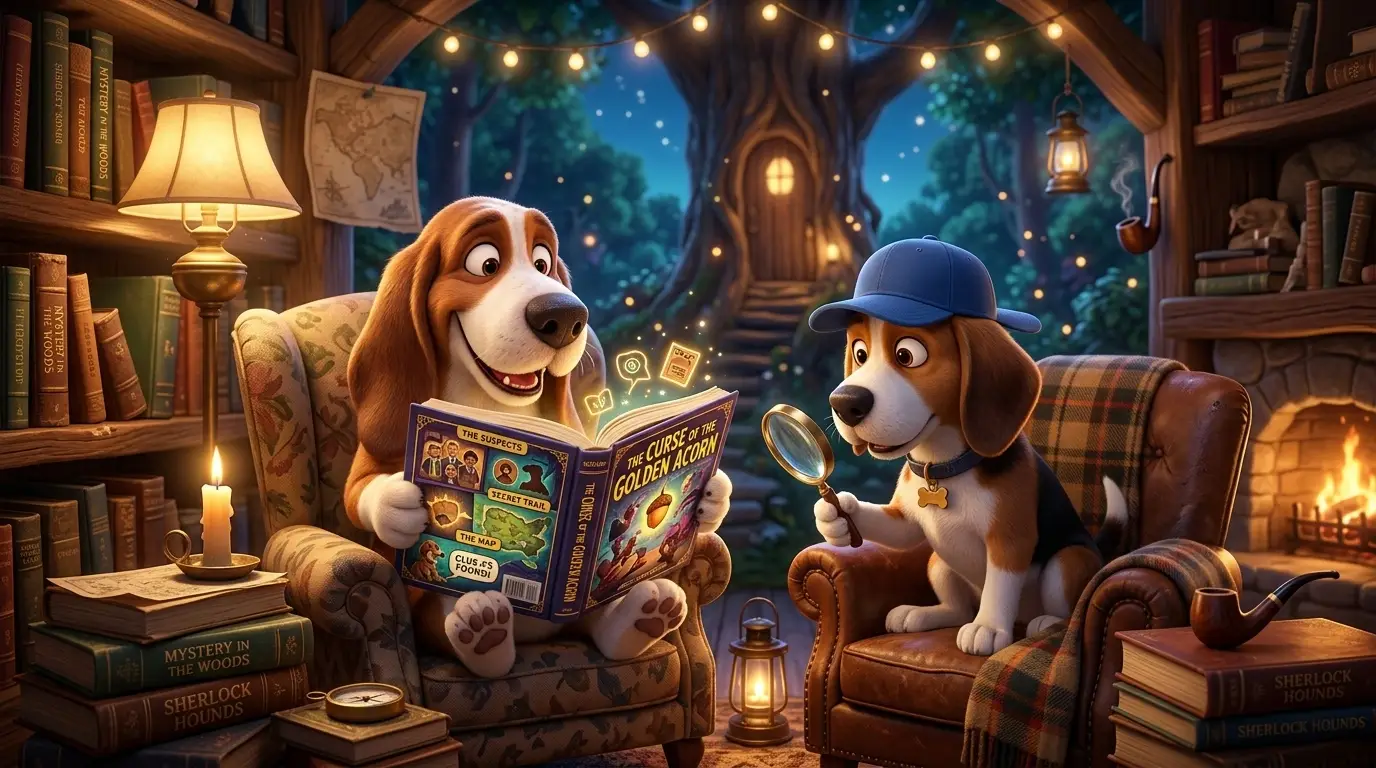

Dukey's Super Sleuth Reading Challenge!
Did you know that reading a mystery book makes you an active detective? You get to search the pictures for secret clues before Dukey and Dudley even solve the case!
📚 Why Graphic Novels & Mysteries Are Pure Fun:
- 1. Pictures Tell Half the Story: Look at character expressions, silly background details, and hidden shadows to spot who really stole the acorn!
- 2. You Choose the Clues: Try to guess the suspect before the final chapter. Write your suspect down on a piece of paper and see if you cracked the mystery first!
- 3. Laugh Out Loud: Books aren't supposed to be boring tests—they are full of goofy pratfalls, funny villains, and heroic dog friendships!
Ready to Meet the Woodland Guardians? 📖
Dive into Dukey & Dudley: And the Great Acorn Heist—packed with hilarious dog antics, forest gadgets, and mystery thrills!
Check Out the Book! 🐾"I hate reading." For any parent or teacher, hearing these three heavy words can feel like a punch to the gut. We envision future academic hurdles, lost literacy opportunities, and a door closing on the boundless joy of books. Yet in the vast majority of cases, children who claim to dislike reading do not hate stories—they hate the feeling of exhaustion, embarrassment, and overwhelm that comes from dense blocks of unyielding text.
In middle-grade education and literacy research, educators are discovering a revolutionary tool that transforms resistant book skimmers into passionate, voracious readers: illustrated detective mysteries and graphic novels. In Dukey & Dudley: And the Great Acorn Heist, the interplay between visual clue discovery, slapstick physical comedy, and punchy character dialogue acts as an on-ramp for reading fluency. Here is the science behind why visual mystery storytelling cracks the reluctant reader code.
Visual Scaffolding & Context Clues
"A master detective gathers evidence from all sources—not just typed memos!" winks Dukey. Graphic novels and heavily illustrated chapter books provide visual scaffolding. When a young reader encounters a challenging word like 'clandestine' or 'heist', the accompanying illustration immediately reveals a masked raccoon sneaking into an oak tree hollow, reinforcing vocabulary without breaking reading momentum.
1. Reducing Cognitive Load: Why Comics Win Brains
For emerging or neurodivergent readers (including children with dyslexia or ADHD), parsing 300 words of plain black text on a blinding white page requires massive working memory. By the time they decode the sentence, the narrative meaning is lost:
- Bite-Sized Text Chunks: Speech bubbles and dialogue captions naturally parse language into digestible micro-chunks, preventing visual fatigue and allowing children to maintain sentence pacing.
- The 'Page Turn' Dopamine Hit: Reluctant readers crave visible progress. Turning pages quickly in an illustrated mystery provides repeated bursts of achievement, proving to the child that they are capable of finishing books.
- Multimodal Literacy: University studies in cognitive linguistics demonstrate that interpreting facial expressions in comic panels alongside narrative dialogue builds superior inferential reading skills and emotional empathy.

The Irresistible Pull of Slapstick Humor
When children laugh while reading, their brains release dopamine and endorphins, instantly dismantling reading defense barriers. Dudley tripping over his long droopy ears into a pile of autumn acorns transforms reading from a dry chore into an interactive cartoon sitcom. Humor is the ultimate gateway to lifelong literacy!
2. The Detective Mystery Advantage: Active vs. Passive Reading
Passive reading—simply moving eyes across lines—often leads to mind wandering. Mystery novels, however, inherently demand active cognitive participation:
🕵️ How Mysteries Turn Kids Into Engaged Investigators:
- The 'Whodunit' Hook: A missing harvest or suspicious paw print creates an immediate psychological itch that demands closure. Kids keep reading past bedtime simply to verify their suspect theory!
- Predictive Reading Practice: Asking questions like "What clue did Dudley just spot under that mossy log?" trains predictive comprehension skills essential for standardized testing and critical thinking.
- Validating Graphic Novels as 'Real' Reading: Never tell a child that graphic novels "don't count." Extensive vocabulary analyses reveal that graphic novels actually contain a higher percentage of rare, complex words than average children's chapter books.
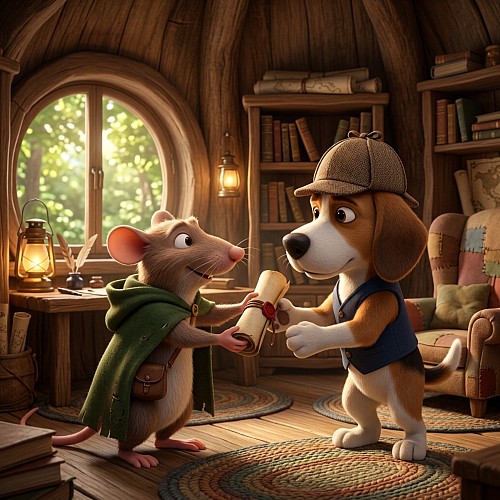
Pairing Reading with Hands-On Fun
Nibbsley the inventor connects stories with creative play! After reading a thrilling chapter, invite your child to sketch their own clue map, bake an animal-themed recipe from Dudley's Bakery, or solve interactive jigsaw puzzles. Bridging the physical and literary worlds turns reading into a full-sensory adventure!
Explore More Woodland Adventures!
Join Dukey & Dudley on their quest, test your skills in the games room, or print mystery activity packs!